Blooming Mushrooms Backgrounds for Cover: A Creative Guide
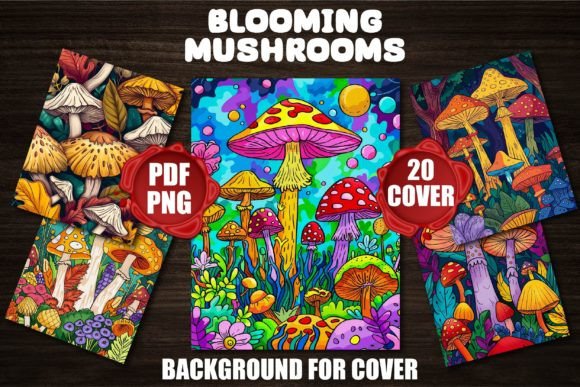
When you first encounter the Blooming Mushrooms Backgrounds for Cover, it’s hard not to stop and stare. This isn't just a collection of static images; it’s a curated bundle of 20 high-quality PNG files that blend botanical illustration with a distinct, modern whimsy. As a designer, I often look for assets that do more than just fill space—they need to tell a story. This collection does exactly that. The visual personality is intricate and organic, featuring detailed mushroom motifs intertwined with floral elements. It strikes a balance between the vintage charm of a storybook and the clean, sharp lines required for professional digital use. The 300 dpi resolution ensures that whether you are working on a large-scale print project or a high-definition screen, the details remain crisp. It’s a visual language that speaks of nature, fantasy, and a careful attention to detail, making it a standout design asset in a crowded marketplace.
Where This Collection Fits Best
Understanding where to deploy the Blooming Mushrooms Backgrounds for Cover is key to maximizing their value. In my experience, assets like these are incredibly versatile, but they truly shine in specific contexts. For publishers and authors, these are an obvious choice for book covers in the fantasy, cozy mystery, or children’s literature genres. The intricate designs provide an immediate sense of setting and tone without requiring complex custom illustration. Beyond publishing, I’ve seen similar styles perform exceptionally well in the wellness and self-care space. Think about packaging design for artisanal teas, botanical skincare lines, or even yoga studio branding. The organic nature of the illustrations supports a brand identity centered on mindfulness and natural ingredients.
Digital creators and entrepreneurs will find plenty of uses here as well. These backgrounds can elevate social media graphics, giving a consistent and professional look to Instagram feeds or Pinterest pins. They work beautifully as backdrops for quote graphics, podcast covers, or digital planners. For small business owners, particularly those in the e-commerce or crafting sectors, using these for product mockups or website headers can instantly communicate a brand’s aesthetic. The key is to recognize that these are not just "pretty pictures"; they are foundational elements that can anchor a visual identity across multiple platforms, from print to web design.
Influencing Perception and Engagement
A well-chosen background does more than decorate; it influences how an audience perceives your work. When you use the Blooming Mushrooms Backgrounds for Cover, you are tapping into a visual style that conveys creativity, thoughtfulness, and a connection to the natural world. This can significantly impact brand perception. For instance, a small business using these designs might be seen as more artisanal and handcrafted compared to one using generic stock photos. In terms of visual hierarchy, a detailed background like this needs to be paired thoughtfully with typography. The intricate patterns can be busy, so using a clean, modern sans-serif font for headlines often works best to ensure readability. This contrast allows the text to pop while letting the background add depth and character.
Consistency is another major benefit. Having a bundle of 20 related designs means you can maintain a cohesive look across a series of projects—be it a multi-book series, a product line, or a long-term marketing campaign. This consistency builds recognition. Your audience starts to associate that specific visual style with your work, which is a cornerstone of strong brand identity. The psychological effect shouldn’t be underestimated either. The themes of growth, nature, and intricate beauty can evoke positive emotions, making your content more engaging and memorable. It’s a subtle form of visual storytelling that works on an intuitive level.
Practical Guidance for Implementation
So, how do you actually use the Blooming Mushrooms Backgrounds for Cover effectively? First, consider the project’s core message. If you’re designing a book cover for a dark fantasy novel, you might use a background with deeper, more mysterious color tones and pair it with a serif font that has a classic, established feel. For a children’s activity book, the same background might be used with brighter color adjustments and a playful script font. Testing is crucial. Don’t just slap a background on a canvas. Play with opacity, add color overlays, or use blending modes to integrate it seamlessly with your other design elements. Sometimes, using only a portion of the background—cropping in on a particularly beautiful cluster of mushrooms—can create a more focused and impactful composition.
Font pairing is where many projects succeed or fail. Given the detailed nature of these backgrounds, I recommend starting with a strong, simple typeface for your primary text. A good sans-serif font like Montserrat or Lato can provide excellent readability. For accents or headlines, you could introduce a complementary serif font or even a subtle handwritten font, but use it sparingly to avoid visual clutter. Always test your design at the actual size it will be viewed. What looks balanced on a large monitor might become muddy when printed small or viewed on a mobile phone. Finally, while these assets are labeled for commercial use, it’s always good practice to double-check the specific license terms, especially for large-scale commercial projects or merchandise, to ensure full compliance and peace of mind.
Ultimately, the Blooming Mushrooms Backgrounds for Cover offer a rich toolkit for anyone looking to inject personality, professionalism, and a touch of enchantment into their creative work. It’s about finding the right balance between the inherent beauty of the asset and the functional needs of your project. By thinking strategically about context, consistency, and contrast, you can transform these backgrounds from mere decoration into a powerful component of your visual communication strategy.