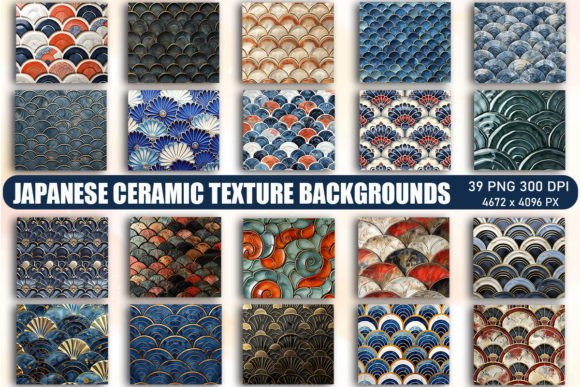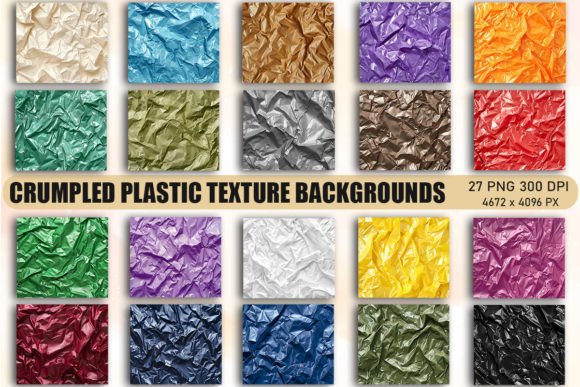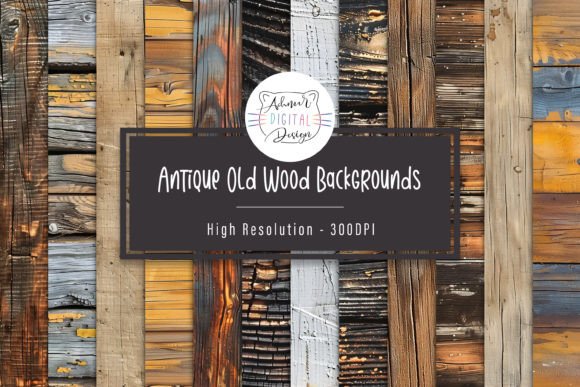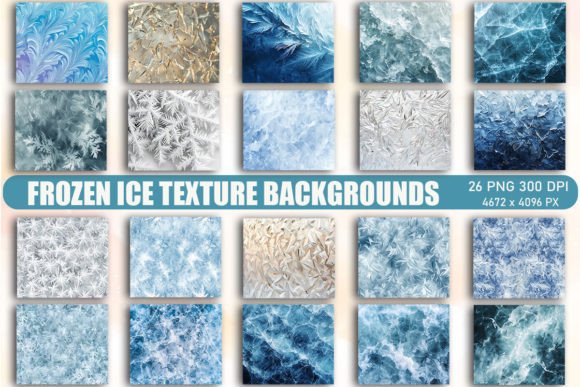
White Peeling Wall Plasters Backgrounds: A Designer's Texture Toolkit
The Allure of Authentic Decay
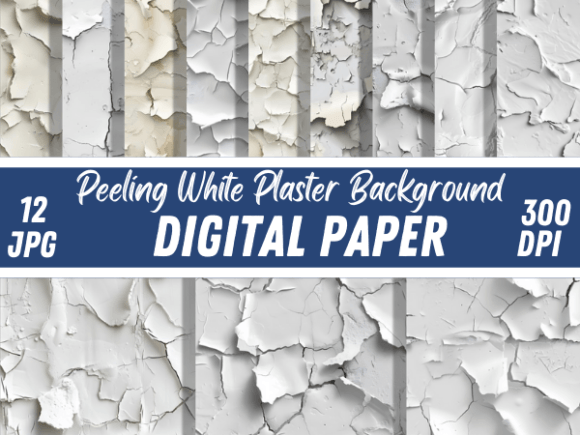
There’s a specific kind of beauty in things that have lived. A cracked plaster wall in an old Italian villa, the chipped paint on a seaside cottage, the layered history visible on a forgotten city surface. This is the visual story told by White Peeling Wall Plasters Backgrounds. It’s not just a digital paper; it’s a curated collection of textures that capture the elegant decay of time. The set offers a weathered, aged, and worn aesthetic, blending grungy and shabby chic elements with a soft, pastel palette. The personality is nostalgic, whimsical, and deeply rustic, yet it maintains a clean, versatile foundation in its white and off-white base tones.
For a designer or creative professional, this collection is more than filler. It’s a premium design asset that injects instant history and emotion into a project. The textures are high-resolution (3600x3600 pixels at 300 DPI), ensuring that every crack, chip, and subtle erosion renders beautifully in both digital and print applications. It’s a seamless, repeatable pattern, which means scaling it for large-format projects like wall art or backdrops is straightforward without losing quality.
Where This Texture Set Truly Shines
Understanding where to deploy these digital papers is key to unlocking their value. Their strength lies in providing a textured, tactile background that doesn’t overwhelm the foreground content.
- Branding & Packaging Design: For brands in the artisanal, organic, vintage, or luxury space, these textures build immediate brand identity. Imagine a coffee roaster’s label, a boutique candle box, or a wedding stationery suite. The peeling plaster effect adds a layer of sophistication and authenticity that flat colors cannot achieve. It works exceptionally well for logo design mockups and packaging design where a tactile feel is desired.
- Editorial & Publishing: In editorial design, such as magazine layouts, book covers, or junk journal pages, these backgrounds serve as a rich canvas. They can set a retro or antique mood for feature articles, poetry collections, or historical narratives. The subtle grunge texture adds visual interest without distracting from typography, making it ideal for book covers and internal chapter dividers.
- Digital & Social Media: For web design and social media graphics, a textured background can make a site or feed feel more curated and less generic. Use it behind quotes, promotional announcements, or product highlights. It’s particularly effective for Etsy shop banners, Instagram stories for craft businesses, or Pinterest pins promoting DIY projects. The rustic and vintage feel aligns perfectly with content around Valentine’s Day, Mother’s Day, or wedding themes.
- Craft & Physical Products: The applications for crafters are vast. These high-detail files are perfect for sublimation printing on mugs, acrylic tumblers, or sweaters. They can be used for vinyl decals, iron-on transfers, and scrapbooking elements. The seamless nature allows for creating continuous patterns for fabric printing or large-scale decorations.
Integrating Texture with Typography and Hierarchy
The real challenge—and opportunity—lies in pairing this textured background with typography. A busy, cracked surface can compete with text if not handled carefully. Here’s a practical approach:
- Font Pairing is Critical: Avoid overly ornate or thin script fonts directly on the most textured areas; they can get lost. Instead, pair the background with a clean, strong sans-serif font or a bold serif font for headlines. For example, a modern geometric sans-serif can create a beautiful contrast against the organic, decayed surface, making the text pop. A sturdy slab serif can also complement the rustic feel while maintaining readability.
- Use Text as a Layer: Think of the plaster texture as a base layer. You can place text within a slightly opaque shape (a box or banner) that sits on top of the texture. This creates a visual hierarchy and ensures your message is legible, especially for body copy or important details like dates and locations on an invitation.
- Leverage the Mood for Brand Perception: The choice to use a worn, distressed background communicates specific values: authenticity, craftsmanship, history, and a connection to the natural. It moves a brand away from sterile, corporate aesthetics and toward something more human and artistic. For a small business owner, this can be a powerful differentiator.
Practical Guidance for Your Project
Before you download and start designing, consider these points:
- Evaluate the Fit: Does your project’s core message align with the weathered, vintage aesthetic? It’s perfect for a birthday party with a rustic theme or a Valentine’s Day card with a timeless feel, but might clash with a tech startup’s futuristic branding.
- Test Color Adjustments: The listing notes that actual colors may vary. Use your design software’s adjustment layers (Hue/Saturation, Color Balance) to subtly shift the tone from cool white to a warmer cream or even a pale gray to match your specific color palette.
- Consider the Output: For digital use (web, social), the JPG format is perfectly adequate. For high-end print projects like fine art prints or premium stationery, you might need to convert to CMYK and check with your printer for best results, as the 300 DPI resolution is print-ready.
- Licensing: As these are digital files, review the license. Typically, such assets are for personal and commercial use, but always confirm the terms for your intended application, especially for large-scale commercial products like print-on-demand items.
Ultimately, the White Peeling Wall Plasters Backgrounds set is a versatile toolkit for adding depth, story, and a handcrafted feel to your work. It’s about leveraging the beauty of imperfection to create designs that feel grounded, real, and emotionally resonant. Whether you’re crafting a brand’s visual language, designing a publication, or creating a one-of-a-kind gift, these textures provide a sophisticated foundation that speaks volumes.